


Biological science is the study of life. This versatile degree empowers students to solve real-world challenges through careers in healthcare, research, and environmental conservation.
Key Takeaways
- Biological science is the scientific study of living organisms and their environments, exploring life processes from microscopic cells to entire, complex ecosystems.
- You can enter diverse roles with a biological sciences degree, such as a microbiologist or environmental scientist, or use the degree as a launchpad for medical and graduate school.
- Pursuing this field also allows you to address global issues, including food security, disease treatment, and the protection of our planet’s biodiversity.
Have you ever wondered how your body knows exactly how to heal a scraped knee, why certain birds migrate thousands of miles without a map, or how a single microscopic virus can change the entire world? If you find yourself asking these “how” and “why” questions about the natural world, you are already thinking like a scientist. At its heart, the definition of biological science is the study of living organisms and their environments, exploring how life works, adapts, and connects across every level of existence.
Whether you are curious about the secrets hidden in our DNA or the complex balance of our planet’s ecosystems, this field offers a powerful way to understand life and, more importantly, a way to make a real difference with that knowledge.
What is Biological Science?
Biological science, sometimes referred to as bioscience or life science, is a broad branch of natural science that deals with all living things. This includes studying their structure, behavior, organization, and life processes, as well as how they interact with one another and the natural environment. It’s a field that seeks to answer fundamental questions about growth, reproduction, and adaptation.
By studying biological science, you dive deep into the mechanisms of life—from the smallest molecules and single cells to complex organisms like plants and animals. It’s also about learning how to think like a scientist by asking questions, testing ideas, and working with real data to solve world-scale challenges in health, food systems, and environmental conservation.
Now, let’s look at the specific areas you can explore under this scientific umbrella.
What are the Biological Sciences?
Because life is so diverse, biological science is actually a collection of many interconnected fields, each looking at life from a different angle. Biological science is like an umbrella that covers dozens of specialized disciplines. Depending on what sparks your interest, you might find yourself drawn to one of these major branches:
- Microbiology: Studying microorganisms like bacteria and viruses that impact our health and environment
- Genetics: Exploring DNA, heredity, and how traits are passed down through generations
- Ecology: Investigating how organisms relate to each other and their physical surroundings to sustain natural resources
- Molecular Biology: Focusing on the chemical activities that happen at the molecular level to sustain life
- Zoology and Botany: Studying animals and plants, respectively, including their behavior, structure, and evolution
- Medical Biology: Applying biological principles to human health and disease
Each of these fields plays a vital role in solving modern problems, and choosing a major in this area allows you to specialize in what you are most passionate about.

What You’ll Learn in a Biological Science Major
At the Mapúa Malayan Colleges Mindanao’s College of Health Sciences, we offer a Bachelor of Science in Biology Major in Medical Biology that gives you a solid foundation in biological science. Our program emphasizes scientific reasoning and problem-solving, preparing you for paths such as medical school, research, or specialized healthcare roles.
What makes our approach unique is our collaboration with Arizona State University®, ranked as one of the most innovative universities in the U.S. Through this collaboration, we provide you with internationally aligned content, digital tools, and faculty co-lectures. Our curriculum is built on outcomes-based teaching, meaning you will gain extensive hands-on training in state-of-the-art laboratories, simulation centers, and field techniques.
Developing these high-level skills is a rigorous journey, but the reasons to pursue this path are as vast as the field itself.
Why Study Biological Sciences?
Choosing to major in biological sciences is a smart move if you want a career with a real-world impact. One of the primary reasons students choose this path is that it provides an unbeatable foundation for medical, dental, or veterinary school. The core health sciences courses you study and the research skills you gain are exactly what top-tier professional programs look for.
Beyond medicine, this major empowers you to address global challenges. You could work on innovations in biotechnology to find new medicines, improve food security by developing resilient crops, or lead conservation efforts to protect biodiversity and restore ecosystems. The field also teaches you in-demand skills like data analysis, critical thinking, and technical writing—skills that are highly marketable even outside of traditional science roles.
The versatility of these skills means that your career options are far from limited to just one path.
Biological Science Careers
A degree in biological sciences opens doors to a wide range of industries, including healthcare, research, education, and even government agencies. Here are just a few paths you can pursue:
- Medical Researcher or Biomedical Scientist: Design experiments to understand diseases and develop new treatments.
- Biotechnologist: Use biological processes to create new products for health and agriculture.
- Environmental Scientist or Ecologist: Monitor pollution and assess habitat impacts to protect our planet.
- Microbiologist: Test microorganisms in biotech, pharmaceutical, or government labs.
- Genetic Counselor: Help families understand genetic conditions and make informed health decisions.
- Science Writer or Health Communication Specialist: Translate complex scientific research into clear content for the public.
- Biology Teacher: Inspire the next generation of scientists in high schools or colleges.
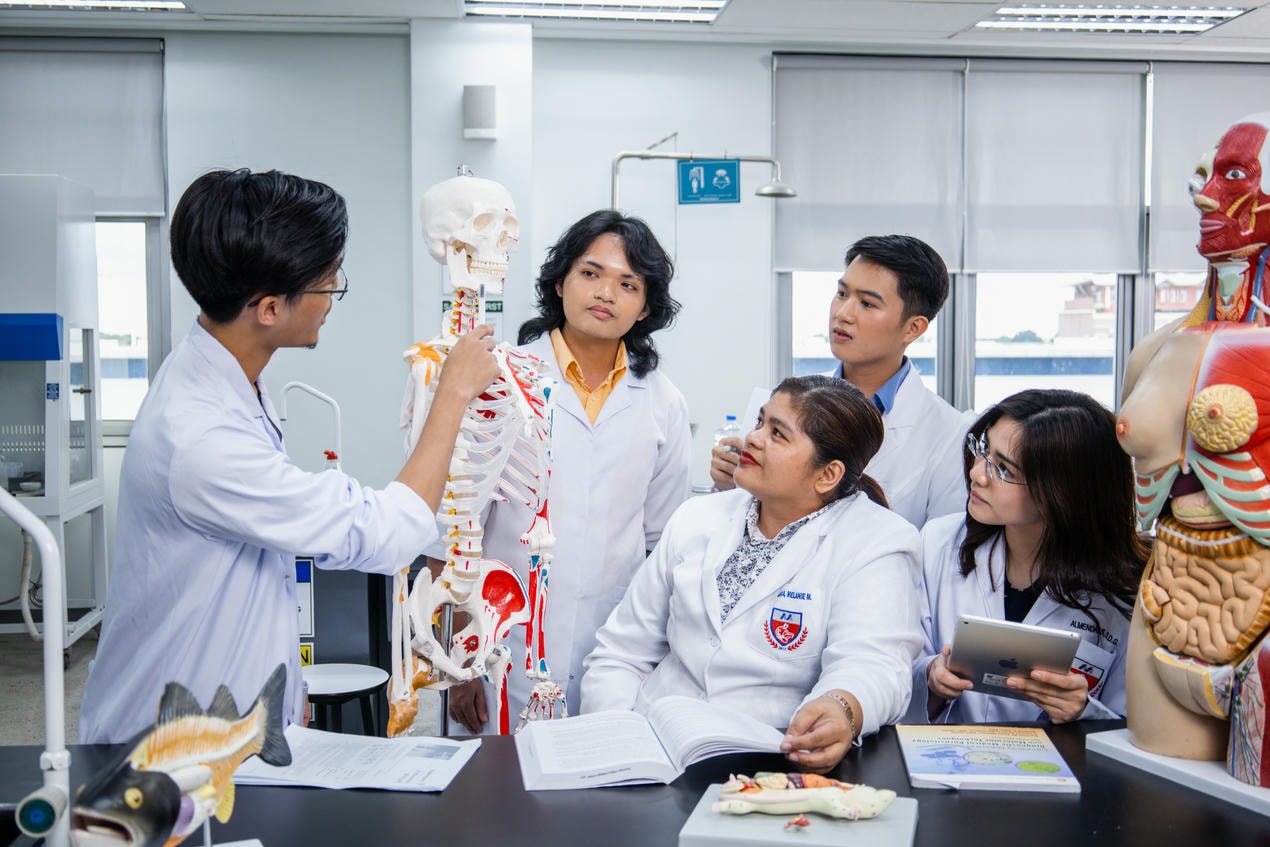
Join the Next Generation of Scientists
Biological science is your gateway to understanding life and the environment. We’ve explored how this field branches into fascinating specialties like genetics and ecology. From saving ecosystems to advancing human health, the career possibilities are as diverse as the organisms you will study.
At Mapúa Malayan Colleges Mindanao, we are committed to providing you with an education that is not just local but global. Our collaboration with Arizona State University® ensures that you are equipped with the hands-on experience to lead in your chosen field.
Are you ready to take the next step in your scientific journey? Apply now at Mapúa Malayan Colleges Mindanao and start building your future today!
Frequently Asked Questions
What is the definition of biological sciences?
Biological science is the comprehensive study of life, covering everything from microscopic molecules to massive ecosystems. It explores how living organisms like plants and animals grow, adapt, and interact with their environments to help you solve urgent global challenges in health, food systems, and conservation.
What is the difference between biology and biological sciences?
While biology is the general study of life, biological sciences is a broader term that includes the branches and subfields of biology, like genetics and ecology. Studying the biological sciences often emphasizes a more research-focused approach.
How long does it take to study biological sciences?
An undergraduate degree usually takes three to four years; however, advanced research or specialized positions may require an additional one to five years for a master’s or doctoral degree.