College students today juggle more than just schoolwork. Many balance family responsibilities, extracurricular activities, part-time jobs, and personal commitments—all while trying to keep up with fast-moving academic demands. Because of this, choosing a school with a flexible learning system has become a priority for many families. At Mapúa Malayan Colleges Mindanao, the FLUX (Flexible Learning Ubiquitous Experience) Program offers a learning model that allows students to study anywhere, anytime, without compromising academic quality.
FLUX is Mapúa MCM’s answer to the growing need for adaptable, future-ready education. It’s a strong example of flexible learning that combines digital tools, guided learning pathways, and on-site experiences to help every student learn at their own pace. More importantly, it reflects the institution’s commitment to giving learners access to a world-class education that fits their lifestyle.
A Flexible Learning System Built for Modern Students
Most people know what flexible learning is. The difference is how institutions apply the technique. The FLUX Program is designed to let students map out their learning based on their needs and schedule. Unlike traditional setups that require students to be in the classroom at fixed times, FLUX integrates online lessons, self-paced learning modules, and strategic on-site sessions.
This setup gives students the kind of freedom that many young people today look for. Whether they’re commuting, managing personal duties at home, or trying to balance academics with other goals, the FLUX model offers a path that adjusts to their realities.
Online and On-Site: A Balanced and Structured Approach
One of the strengths of this flexible learning option is its blend of online and face-to-face learning, which feels natural to students.
Online Learning
Through the MMCM Digital, students gain access to a digital platform where they can view lectures, download learning materials, submit activities, and join virtual discussions. The tool allows them to revisit lessons anytime, making it easier to review and catch up when needed. This format is beneficial for students who prefer visual or self-paced learning styles.
On-Site Learning
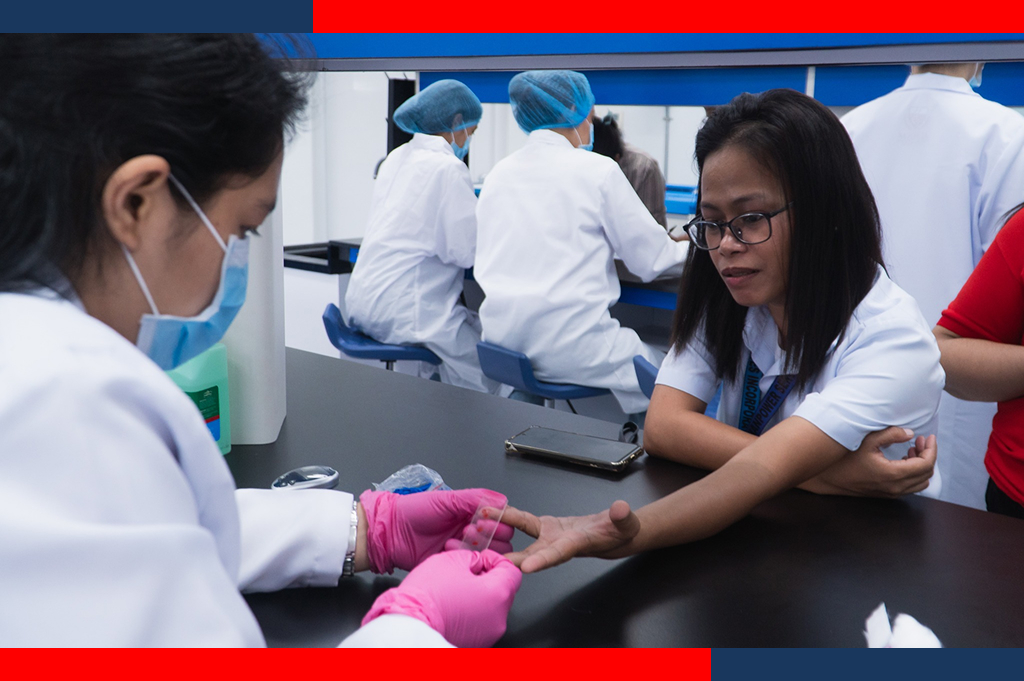
While online components provide flexibility, on-site sessions reinforce practical learning. Laboratory work, hands-on activities, group collaboration, and consultations with faculty members ensure students still receive the full academic experience. These sessions also allow students to refine their communication and teamwork skills, competencies that employers value.
This combination of formats creates a stronger, more resilient learning system. Students don’t just memorize concepts; they learn how to apply them.
Designed for Different Learning Styles and Pacing
Not every student learns the same way or at the same speed. This is where the FLUX Program excels. It supports students who thrive in fast-paced environments while also helping those who need more time to absorb lessons.
Self-paced modules and asynchronous content allow students to revisit complex topics and complete requirements when they are at peak focus. Meanwhile, synchronous sessions—both online and on-site—guide students through lessons that demand real-time instruction and interaction.
The flexible learning program gives students ownership over their studies. They can shape their routines, plan ahead, and adjust their workload without compromising learning quality. This independence also builds time management skills, discipline, and responsibility—traits that help them succeed not only in school but also in future workplaces.
Strong Faculty Support and Accessible Academic Resources
Behind the success of FLUX is a team of faculty members trained to teach in a flexible learning environment. They mentor, guide, and support students through a system built around accessibility.
Students can easily reach instructors through online consultations, messaging platforms, and on-site meetings. Meanwhile, Mapúa MCM’s digital learning resources allow learners to access readings, videos, and exercises anytime, giving them more opportunities to study based on their needs.
This level of support matters. When students feel guided and heard, they become more confident, productive, and motivated. This is undoubtedly one of the most significant benefits of flexible learning.
A Cost-Efficient and Practical Study Option
Flexible learning also helps families manage education-related expenses. With fewer required on-site days, students can save on transportation, food, and daily miscellaneous costs. The availability of digital materials means fewer printed handouts, less travel, and more efficient study habits.
This makes FLUX not only a strong, flexible learning program but also an accessible one. It opens doors for students who might otherwise have struggled to commit to a full, traditional setup due to financial or logistical constraints.
A Future-Ready Approach to Education
The academic landscape continues to evolve, and students today need more than just textbook knowledge. They need digital literacy, adaptability, independence, and collaboration skills. Mapúa MCM’s FLUX Program prepares them for this reality.
By letting students learn anywhere, anytime, FLUX gives them direct experience with the tools and environments they will encounter in the real world. Whether they pursue local or international careers, the
Flexible Learning Awaits at Mapúa MCM
Flexible learning is a necessary shift in education. Mapúa MCM’s FLUX Program shows how a well-designed flexible learning system can support different students, strengthen academic performance, and open up more opportunities for personal growth.
For today’s learners in Mindanao, FLUX provides the structure they need and the freedom they deserve. It’s a model built for the demands of modern education and a practical example of flexible learning done right. Ready for this kind of learning approach? Contact us today to learn more.