
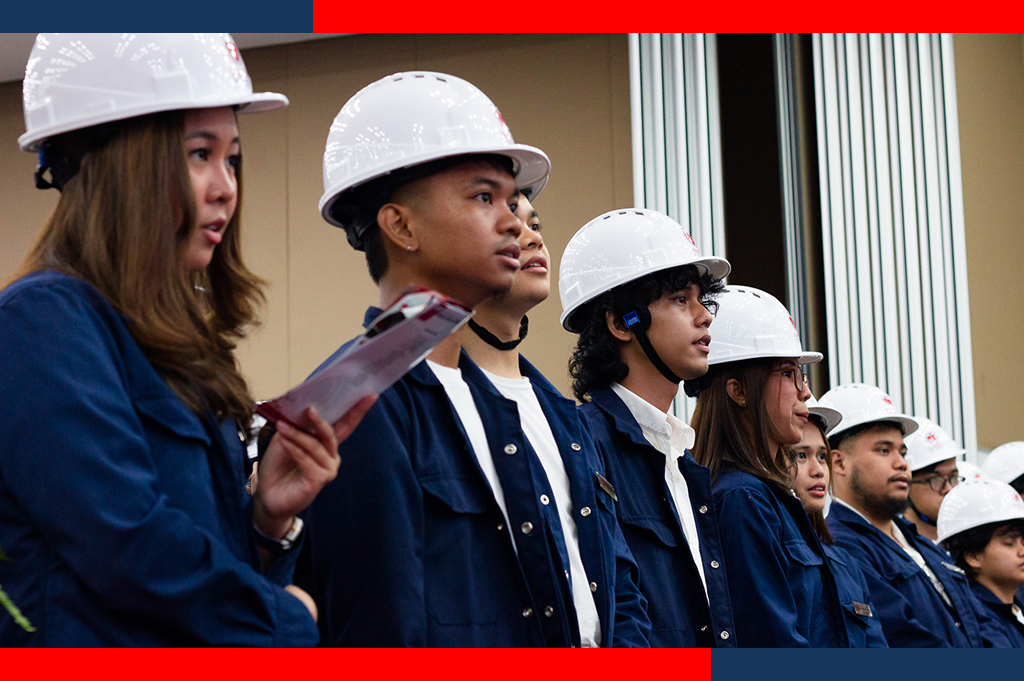
A quality education in the Philippines transforms theoretical instruction into skill application and equips every graduate with the confidence and skills required for a successful global career.
Key Takeaways
- The employability gap exists because lecture-heavy education fails to integrate critical real-world skills and exposure into the curriculum.
- Transformation requires a more practical approach, shifting to skill application and integrated career pathways.
- Institutions like Mapúa MCM use outcomes-based education and global collaborations to foster digitally fluent, globally competent professionals.
The university experience often brings to mind buzzing hallways, memorable cultural events, and overcrowded canteens. However, this nostalgic view eventually collides with a reality: employability, exposure, and real-world relevance after graduation. Graduates must face one of the most significant questions of their careers: “Are we ready to tackle this?”
For many Filipino families, earning a college degree has long been considered the golden ticket to a successful future. Yet, for countless young people, simply earning any diploma may not be enough. To secure a job that aligns with their expertise or offers a decent salary in the Philippines, a quality education is necessary.
The Employability Mismatch: Beyond the Diploma
Data from the Philippines shows that the dream of immediate success often doesn’t match the reality of the job market (the “employability gap”). According to the Philippine Statistics Authority, in 2024, fresh graduates account for nearly 43% of the unemployed. A significant number of college graduates frequently find themselves in positions that do not utilize their level of education and training, highlighting issues of underemployment.
Employers frequently find that new graduates fail to meet expectations concerning critical skills like critical thinking and effective communication. The business sector also notes that skills like professionalism, teamwork, and basic communication are often lacking in graduates today.
Core Pillars of Career-Ready Education
To remedy this employability gap, education systems must fully align with the demands of industry. A quality education in the Philippines shapes long-term career opportunities by helping learners understand their interests and strengths, which in turn boosts confidence in their chosen paths. This transformation requires a shift from theoretical education to comprehensive skill application and integrated career pathways.
A strong educational foundation ensures students gain access to skills that are valuable across multiple industries
- Essential Skills: Communication, critical thinking, and problem-solving become easier to apply when introduced early in a structured environment. These tools are crucial for how students approach challenges and contribute to team settings.
- Practical Application: Practical knowledge strengthens confidence when applied in real-world situations, such as through early experience in research, presentations, or collaboration. Incorporating internships and on-the-job training allows students to practice what they learn and build confidence.
- Guidance and Clarity: Educational guidance, delivered through mentorship, academic counseling, or structured pathways, helps learners uncover their interests before committing to major career decisions, thus minimizing uncertainty.
- Specialization and Global Standards: To truly prepare graduates, education must adopt a global perspective. Focused learning encourages mastery of complex concepts and attention to detail. Furthermore, modern education must be research-driven, digitally-supported, and outcomes-based.
Innovation in Action: The Outcomes-Based Model
Leading institutions, such as Mapúa Malayan Colleges Mindanao (MCM), commit to quality education in the Philippines by using established frameworks and collaborations. Mapúa MCM trains and prepares students through digital learning and the Outcomes-Based Education (OBE) Framework.
This framework serves as a system of Continuous Quality Improvement (CQI) and evaluation to ensure that all academic services successfully attain the student outcomes and program educational objectives.
Innovative delivery methods at Mapúa MCM support this outcomes-based approach:
- Flipped Learning: This blended learning subtype introduces content, often via pre-recorded videos, before the actual in-class instruction.
- Unique Learning System: This centralized management platform provides flexibility, allowing students to learn at their own pace and achieve mastery through continuous practice and assessment.
- Flexible Learning Ubiquitous Experience (FLUX): An instructional approach combining face-to-face and online learning to make education more accessible and convenient.
The Global Edge: Collaboration and Exposure
To produce globally competent professionals, Mapúa MCM uses its strong links to leading institutions and industry collaborators. The strategic collaboration between Mapúa’s College of Health Sciences and Alfonso T. Yuchengco College of Business with Arizona State University® is central to this goal.
Arizona State University®, recognized as the number one innovative university in America for 10 consecutive years, contributes its expertise in innovation and advanced research. This collaboration is designed to shape students into highly skilled, globally competent professionals. Specifically, the collaboration enables students to gain real-world experiential learning, sharpen their digital and technological expertise, and increase their international exposure and globally expand their networks through opportunities like semester exchanges and short-term immersive programs.
The Long-Term Impact: Confidence and Continuous Growth
A quality education in the Philippines significantly contributes to the confidence that graduates carry into their careers. When learners understand the principles behind their work, they feel more prepared to take initiative, which positively influences how quickly they adapt to new responsibilities. Confidence increases as students become comfortable using industry language and tools, making the transition to professional tasks smoother.
Modern workplaces frequently shift, making adaptability a prized asset. Quality education exposes students to varied projects and academic challenges, building resilience and flexibility. Understanding how to learn effectively becomes one of the most valuable skills, ensuring professionals remain competitive as careers evolve.
Finally, quality education in the Philippines emphasizes lifelong learning, keeping professionals aware of new advancements and refining their skills to maintain relevance. Career stability strengthens when learners embrace continued education aligned with industry needs. This dedication to growth transforms education from a single milestone into a continuous journey, ensuring a future marked by purpose, adaptability, and steady advancement.
Cultivate Your Global Potential with Mapúa MCM
To ensure graduates find purpose and advancement in their respective careers, educational institutions must prioritize closing the employability gap. Mapúa MCM is committed to delivering world-class education by training and preparing students through digital learning and the Outcomes-Based Education (OBE) Framework. This framework ensures continuous quality improvement and the achievement of critical outcomes.
Moreover, Mapúa’s strategic collaboration leverages expertise in advanced research and innovation. Students gain real-world experiential learning and opportunities for international exposure via semester exchanges and immersive programs through Arizona State University®. This collaboration shapes students into highly skilled, globally competent professionals.
Seeking a learning journey defined by digital mastery and preparedness for global success? Experience a new level of excellence in education with Mapúa MCM!
Frequently Asked Questions
What is the “employability gap” and why does it affect new graduates?
The “employability gap” is the mismatch where degrees don’t lead to meaningful employment. Nearly 43% of the unemployed in the Philippines are fresh graduates, who often lack critical skills like effective communication or critical thinking that employers demand. This forces many to take jobs unrelated to their field.
How does a quality education in the Philippines equip students with practical skills and career clarity?
Quality education goes beyond theory—it is designed to translate learning into action. At Mapúa MCM, strong academic foundations help students discover their interests and strengths while developing core, transferable skills such as critical thinking, problem-solving, and analytical reasoning. These competencies are strengthened through real-world application, industry-linked learning, and structured career guidance.
What innovations make education more outcomes-based and accessible?
Mapúa institutions anchor learning on an Outcomes-Based Education (OBE) framework that prioritizes clearly defined goals, continuous quality improvement, and measurable student achievement.
Innovative models such as Flipped Learning and the Flexible Learning Ubiquitous Experience (FLUX) blend face-to-face and digital instruction, giving students flexibility without compromising rigor.
How do global collaborations strengthen career readiness?
Through the collaboration between Mapúa MCM and Arizona State University®, students gain access to internationally benchmarked curricula, research-driven instruction, and immersive global learning experiences. These collaborations sharpen digital expertise, expose students to real-world and cross-cultural perspectives, and prepare graduates to compete—and succeed—in a global workforce.