Bachelor of Science in Entertainment and Multimedia Computing (BSEMC)
BS Entertainment and Multimedia Computing Program Overview
The Bachelor of Science in Entertainment and Multimedia Computing (BSEMC) specialized in Game Development course prepares students to become game development professionals with specialized knowledge, competencies and values in designing, developing and producing digital games and tools, and in managing game development projects for various applications.
STUDENT OUTPUTS
Sinagtala
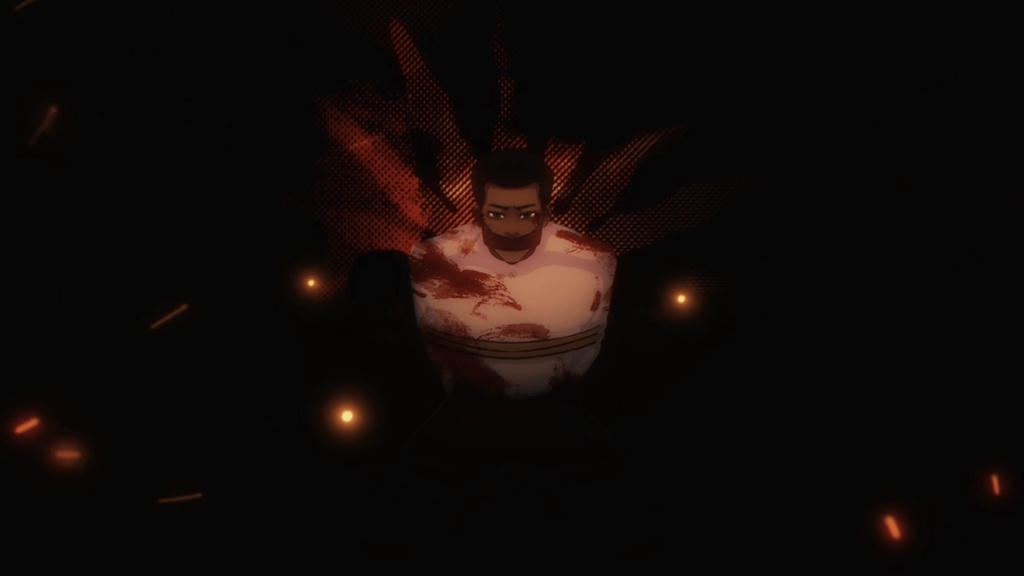
Sinagtala is a 2.5D historical RPG built in Unreal Engine, created as a gamified retelling of key moments from the Philippine Revolution. The game places a strong focus on the Katipunan (KKK) and the life, struggles, and legacy of Andres Bonifacio.
Numnum World
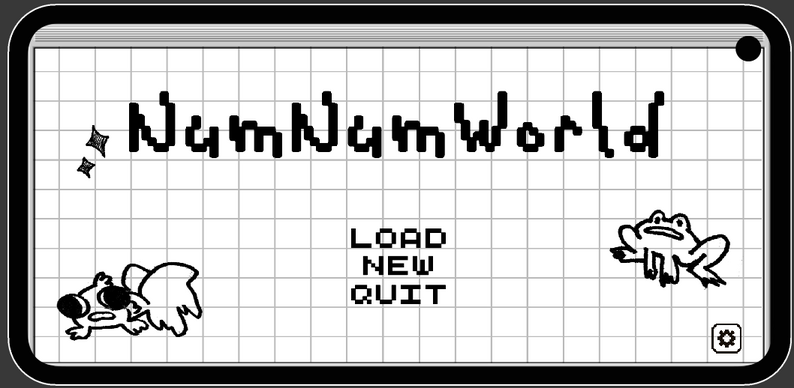
NumNumWorld was the game that we made for one of our projects, where we were tasked to address an emergent problem. We wanted to tackle the worryingly increasing math aversion of Filipino youth, and what better way to do so than through video games? It’s an endless turn-based “roguelite,” where equations are creatively presented as enemies. Get high scores and prove your mathematical acumen!
Math-Teroids
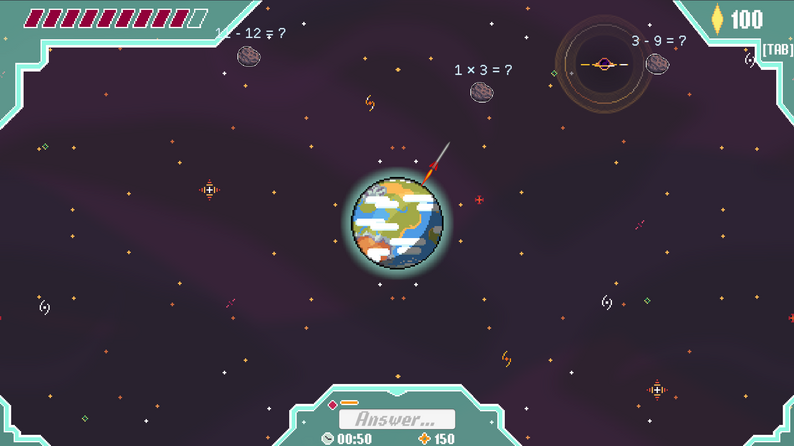
Math-Teroids is a 2D pixel-art arcade shooter where your keyboard is your controller and mental math is your ammo. Asteroids are hurtling toward Earth. Each asteroid carries a mathematical equation. To lock on and fire a homing missile, you must calculate the correct answer.
Maharuyong Hardin
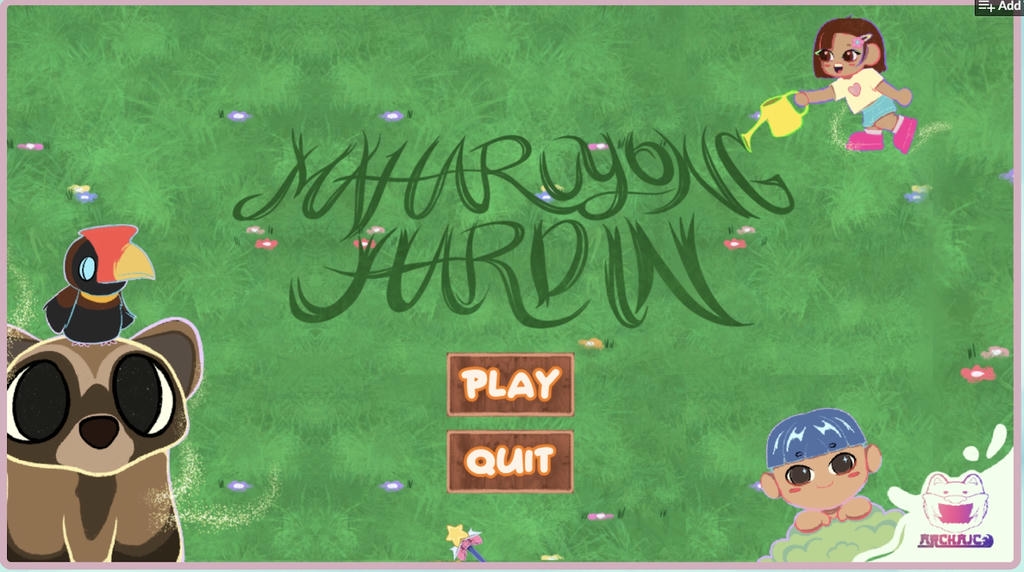
“Maharuyong Hardin” is a cooking/farming simulation that is set in the Philippines. It will mostly take inspiration from the various endangered species that are native to the country (playable characters or “pets”), and the various dishes that the players will “cook”. This will serve as an educational game for both kids and adults to enjoy as the players immerse themselves in the world of colorful dishes and unfamiliar creatures.
Philifins
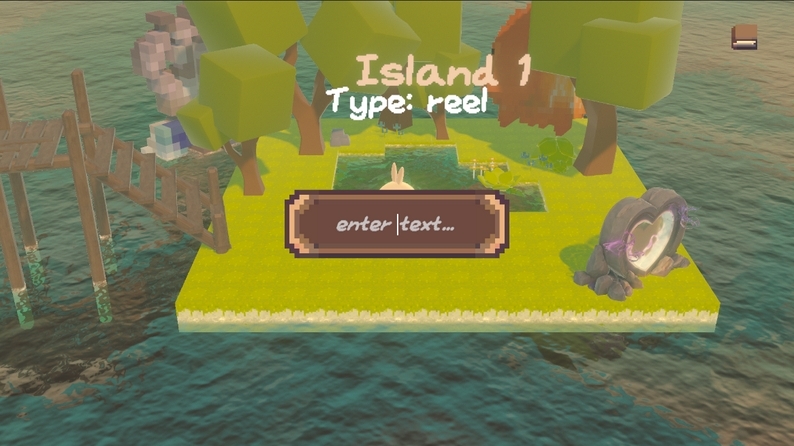
PhiliFins is a 3D educational fishing game designed to promote both literacy and environmental awareness among its players, particularly students. By integrating spelling mechanics into the fishing process, the game encourages players to improve their language skills interactively.
Program Educational Objectives
- Articulate expertise in understanding, analyzing, and applying current and emerging technologies in the design and development of IT-based solutions for the entertainment and multimedia computing profession.
- Perform tasks effectively as individuals and team members in the workplace, growing into highly technical or project management and leadership roles.
- Pursue life-long learning, enabling them to adapt and grow as organizational responsibilities change.
Student Outcomes
i. Apply knowledge of mathematics, physical sciences, contemporary issues, and computer sciences to the practice of being an entertainment and multimedia computing professional.
ii. Specialized computing knowledge in each applicable field, and the ability to apply such knowledge to provide solutions to actual problems.
iii. Recognize, formulate, and solve computing problems.
iv. Analyze project requirements, design, and implement project prototypes.
v. Design, build, improve, and deploy products that meet client needs within realistic constraints.
vi. Use the appropriate techniques, skills, and modern computing tools necessary for the practice of being a professional game developer or animator.
vii. Function effectively as an individual or a member or leader in diverse teams and in multidisciplinary settings.
viii. Communicate effectively with the computing community and write effective reports, design documentation, make effective presentations, and give and understand clear instructions.
ix. Assess the local and global impacts of computing on society, relevant to professional computing practice and subscription to accepted industry standards.
x. Recognize the legal, social, ethical, and professional issues involved in the utilization of entertainment and multimedia computing projects and be guided by the adoption of appropriate professional, ethical, and legal practices both in the local and global community.
xi. Create or use modified artifacts in consideration of the intellectual property rights of the author.
xii. Recognize the need for and engage in independent learning for continual development as entertainment and multimedia computing professionals.
xiii. Demonstrate innovativeness in creating original creative outputs.
xiv. Demonstrate client-centric service.

Career Opportunities
Game Developer
3D Artist/Animator
Visual Effects Artist
Virtual Reality (VR) Developer
Multimedia Designer