

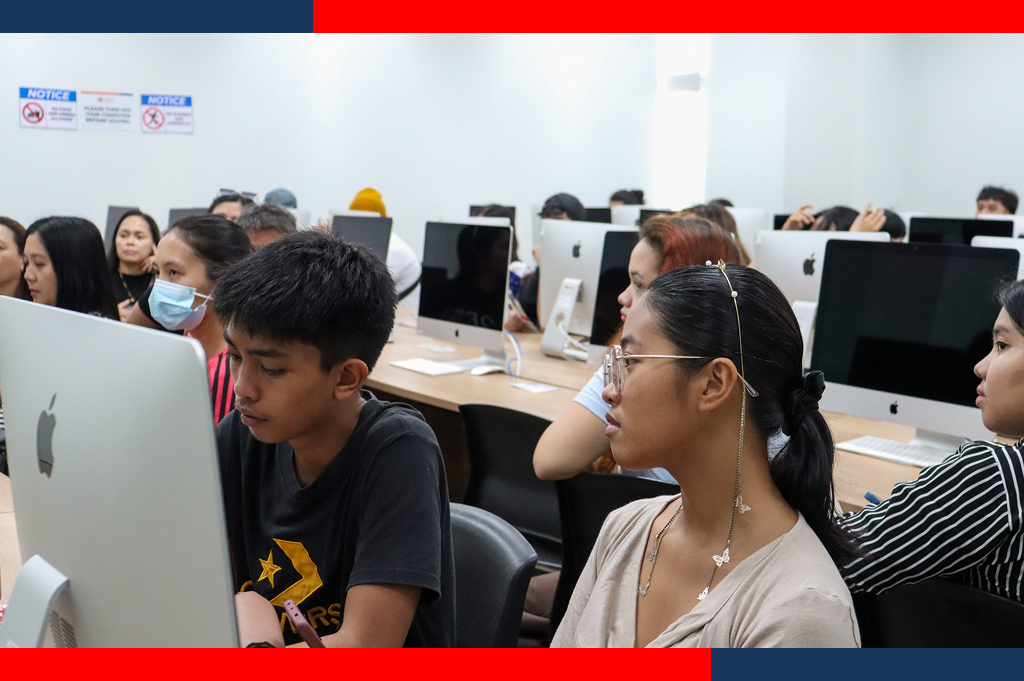
An IT or computer science school is where students gain the foundation they need to become capable and confident tech professionals. It is where they study core areas such as programming, algorithms, databases, computer networks, operating systems, and software development.
The right school can help students develop skills that stay relevant and open doors to long-term career growth. This is why accreditation plays a critical role. Accreditation signals that a school meets established standards for curriculum, faculty, facilities, and student support. It reflects a commitment to quality education and continuous improvement.
But beyond the label, why do accreditations really matter for students and parents?
The Value of Accreditations in Tech Education
Accreditations serve as a reliable guide when comparing computer science and IT courses in the Philippines. It provides assurance that an institution has undergone rigorous evaluation. In fast-moving fields like IT and computer science, this assurance matters because it directly affects the quality of learning and long-term career outcomes.
Proof of Academic Quality
Accreditation shows that a program has been reviewed by external bodies and meets clear academic standards. For students, this means the curriculum covers essential topics such as programming, systems analysis, databases, and emerging technologies. Accredited programs are regularly evaluated to ensure they stay current with industry needs.
Better Career and Employment Opportunities
Many employers prefer graduates from accredited schools because it reduces uncertainty about the quality of training. Accreditation assures employers that graduates have completed a program that follows recognized standards. This can make a difference during job applications, internships, and early career opportunities.
Industry-Relevant Curriculum
Accredited schools are required to review and update their programs regularly. This is important in technology fields where tools and practices change fast. The best colleges for IT and computer science courses ensure that their curricula reflect the latest industry trends and not outdated material.
Access to Further Studies and Certifications
An accredited school for computer science or IT must provide graduate studies, professional certifications, or international opportunities to its students. Accreditation helps ensure that academic credits and degrees are recognized by other institutions and organizations.
Conducive Learning Environment
Accreditation looks beyond academics. It also assesses facilities, laboratories, learning resources, and student services. This ensures that students have access to the tools, support, and guidance they need to succeed throughout their journey.
Accreditations That Set Mapúa MCM Apart
If you’re looking for an accredited institution in the Philippines that provides tech programs, Mapúa Malayan Colleges Mindanao (Mapúa MCM) stands out. Here are the accreditations that make us a premier IT and computer science college in the country:
1. DPO and DPS Registration
Mapúa MCM is registered with the National Privacy Commission as a Data Protection Officer and Data Processing System institution. This registration demonstrates the school’s compliance with data privacy laws and responsible handling of information. For IT and computer science students, this reflects a learning environment that values cybersecurity, ethical data use, and digital responsibility.
2. ISO-Certified Systems From the Mapúa University Network
The main Mapúa University holds ISO 9001:2015 certification for Quality Management Systems and ISO 14001:2015 certification for Environmental Management Systems.
While these certifications apply to the main campus, Mapúa MCM upholds the same quality and sustainability standards across its academic and operational processes. Students benefit from an institution-wide commitment to structured management, continuous improvement, and environmental responsibility.
3. QS Stars Four-Star Rating
Mapúa University has earned a Four-Star rating under the QS Stars system, which evaluates institutions based on teaching quality, employability, academic development, and facilities. Mapúa MCM aligns with these standards, ensuring that students receive education that meets internationally benchmarked criteria for higher education excellence.
4. ABET-CAC Accreditation
Programs in Computer Science, Information Systems, and Information Technology under the Mapúa University network are accredited by the Accreditation Board for Engineering and Technology Computing Accreditation Commission. This accreditation confirms that curricula meet globally recognized standards in computing education. Mapúa MCM follows the same academic rigor.
5. AUN-QA Accreditation
The ASEAN University Network Quality Assurance also accredits Computer Science and Information Technology programs within the Mapúa system. This regional accreditation supports academic mobility and demonstrates alignment with ASEAN higher education standards.
6. PICAB Recognition
Mapúa University holds recognition from the Philippine Information and Computing Accreditation Board for computing-related programs. These accreditations affirm strong academic foundations and local relevance.
Together, these accreditations show that the Mapúa MCM College of Computer and Information Science (CCIS) operates within a trusted academic framework. Students enter a learning environment guided by national and international standards, preparing them for both local practice and global opportunities in technology careers.
Choose Future-Ready Education With Mapúa MCM
Accreditations are a signal of trust, quality, and long-term value. Choosing an accredited school not only shapes how students learn but also how far they can go in their careers.
Mapúa MCM offers accredited programs that combine strong academic foundations, modern learning environments, and industry-aligned education. If you want a school that takes quality seriously and prepares you for the demands of the digital world, explore the programs under the College of Computer Science at Mapúa MCM.