Health science education is changing because the world is changing. We are facing a global need for more healthcare workers, an aging population that requires specialized care, and a digital explosion that has moved medicine from the clinic to the smartphone.
As we move through 2026, a more dynamic, high-tech, and deeply human-centered approach to health science education is needed.
Key Takeaways
- Technology is now essential, not optional. From virtual simulations to AI-assisted learning, students are expected to be digitally skilled.
- Soft skills matter just as much as knowledge. Communication, empathy, and teamwork are now critical in patient care.
- Learning is a lifelong loop: The idea of finishing school and being done with education is over. The rise of modular learning and short-term certifications means professionals will constantly add new skills to their toolkit.
For incoming senior high school students and those eyeing medical school, this is an incredibly exciting time. The old way of doing things is being replaced by a system that values your ability to think on your feet, use advanced technology, and work as part of a modern medical team.
Let’s look at some of the emerging trends in health education.
Advances in Technology
One of the biggest changes in health science education is how technology is being used to improve learning.
Smarter Learning Through AI
Artificial Intelligence is now helping students learn more efficiently. Instead of a one-size-fits-all approach, AI tools can adjust lessons based on how quickly you understand a topic. If you struggle with a concept, the system provides extra practice. If you excel, it moves you forward. This level of personalization helps students master difficult concepts faster and with less frustration.
Immersive Simulation
In the past, students often had to wait until internships to gain hands-on experience. Today, simulation labs allow you to practice clinical skills early on. We now use 3D Virtual Reality (VR) and Augmented Reality (AR) to take a closer look at the human body.
Students can practice complex procedures or explore the nervous system in a virtual space where mistakes are learning opportunities rather than risks. This builds incredible confidence before students enter a real clinical setting.
Digital Literacy
Telemedicine is now a primary way people receive care. Because of this, digital literacy should be a core part of any health education curriculum. Students must learn how to diagnose patients through a screen, manage electronic health records accurately, and use data to predict health trends.
Changing Healthcare Demands
Trends in health education also mirror the changing needs of communities.
An Aging Population
As people live longer, the demand for geriatric care has reached a peak. Modern health programs now include specific training on elderly care, home healthcare, and assisted living. Students are learning how to manage chronic conditions that come with age, ensuring that lolos and lolas receive the dignity and specialized medical attention they deserve.
Rising Focus on Mental Health
The world has recognized that physical health cannot exist without mental health. Because of this, mental health literacy is being woven into every health track.
Students in programs like psychology and biology are being trained to recognize behavioral patterns, support emotional well-being, and work alongside medical teams to provide holistic care.
Care Beyond the Hospital
Healthcare is moving out of big hospitals and into rural areas and homes. This shift requires students to be mobile and adaptable. Training now includes community-based models where students learn to provide top-tier care in settings with limited resources, often using mobile simulation units to practice.
Evolving Learning Models
The way students go to school is also changing to be more flexible and collaborative. Health science education has moved from passive listening to active doing, where students are participants in their own learning.
Interdisciplinary Teamwork
In a real hospital, a doctor doesn’t work alone. They work with nurses, pharmacists, and lab technicians.
To reflect this, students are now trained in collaborative environments. You may work on case studies with peers from different programs, learning how to communicate and make decisions as a team.
Hybrid and Flexible Learning
Not all learning happens inside a classroom anymore. Hybrid models allow students to combine online lessons with in-person training. This is a game-changer for students who may live far from a campus or for professionals who are working while pursuing a graduate degree. It allows for a balance of high-quality digital theory and hands-on campus laboratory sessions.
Micro-Credentials
Instead of relying only on a single degree, students can now earn short certifications that focus on specific skills. Micro-credentials include short courses that provide specific certifications in things like Health Informatics or Emergency Response. These certifications allow students to enter the workforce faster and keep their skills sharp as technology evolves.
Why You Should Stay Informed with Trends in Health Education
Understanding the shifts in healthcare education ensures your hard work leads to a sustainable, high-impact career. The speed of change in medicine means that what you learn today must be built on a foundation that can adapt tomorrow.
Here are some benefits to keeping up-to-date with healthcare trends:
- Future-Proofing Your Career: Staying updated means choosing programs that offer different credentials and digital training, ensuring your skills don’t become obsolete as technology evolves.
- Gaining a Competitive Edge: Employers now look for tech-fluent graduates who are already comfortable with AI diagnostic tools and telehealth platforms.
- Enhancing Patient Safety: Being aware of the latest simulation-based training means you enter the workforce with higher clinical confidence, reducing the risk of errors in real-world practice.
- Global Mobility: Schools that follow emerging global standards make it easier for you to secure licenses and high-paying roles in international healthcare systems.
- Building Resilience: The earlier you gain hands-on experience and mentorship, the more prepared you will feel entering medical school or professional practice. Understanding trends also prepares you for the high-pressure, collaborative nature of modern hospitals, helping you avoid burnout.
A Global Path with Mapúa Malayan Colleges Mindanao
Success in this new era requires a school that doesn’t just keep up with the times but stays ahead of them. This is where Mapúa Malayan Colleges Mindanao (Mapúa MCM) stands out.
Through a powerful collaboration with Arizona State University®—recognized as the #1 most innovative university in the U.S. for several years—Mapúa MCM’s College of Health Sciences is bringing world-class health science education to the Philippines.
By choosing Mapúa MCM, students benefit from:
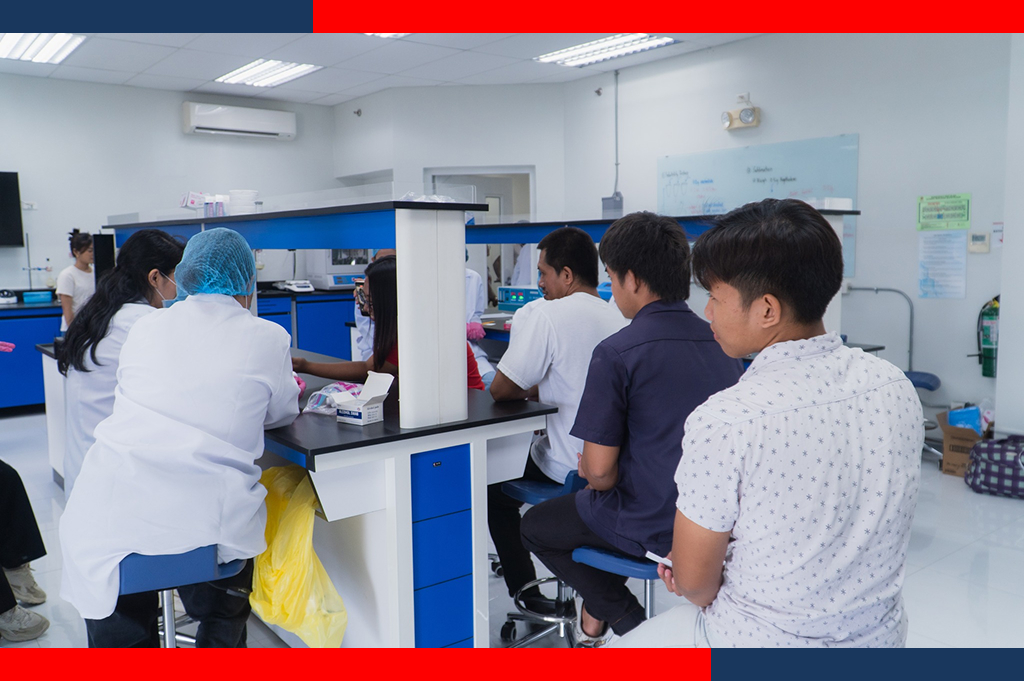
- Modern Facilities: Access to multifunctional simulation centers that mirror real-world medical environments.
- A Global Classroom: Through Arizona State University®, students can take Global Signature Courses and interact with international faculty and peers from around the world.
- Cutting-Edge Curriculum: Students learn from a program that integrates the latest digital tools and research-driven methods used in the United States.
This collaboration ensures that whether you are aiming for medical school or a professional career in the allied health sciences, you are backed by a reputation of excellence and innovation.
A Future Worth Preparing For
Health science education is becoming more dynamic, more connected, and more focused on real-world impact. From advanced simulations to global collaboration, today’s students are being trained for a healthcare system that is more complex but also more meaningful.
Choosing the right program now can shape not just your education, but your entire future. Look for opportunities that offer strong scientific foundations, modern facilities, and global perspectives. The journey may be long, but with the right preparation, it is one that leads to purpose, growth, and lasting impact.
Are you ready to lead the future of healthcare? Explore the issues and trends in health education through Mapúa MCM and see how we can help you reach your goals.
Frequently Asked Questions
What are health science education micro-credentials?
Think of them as add-ons to your degree. While your degree provides the broad foundation, a micro-credential might certify you in a specific new technology or a specialized area of care. They are shorter, more focused, and help you stand out to employers.
Is technology going to replace the human part of being a healthcare worker?
Not at all. Technology is a tool to make you better at the human aspect of healthcare. By using AI for data and automation, you’ll have more time to focus on empathy, communication, and patient connection—the parts of the job that a machine can never do.
How does the Mapúa MCM and Arizona State University® collaboration work?
You get the local support and hands-on training at our Mindanao campus, while also having access to the digital resources, international curriculum, and global network of Arizona State University®. It’s an international health science education without the need to relocate.