

Bachelor of Science in Civil Engineering (BSCE)
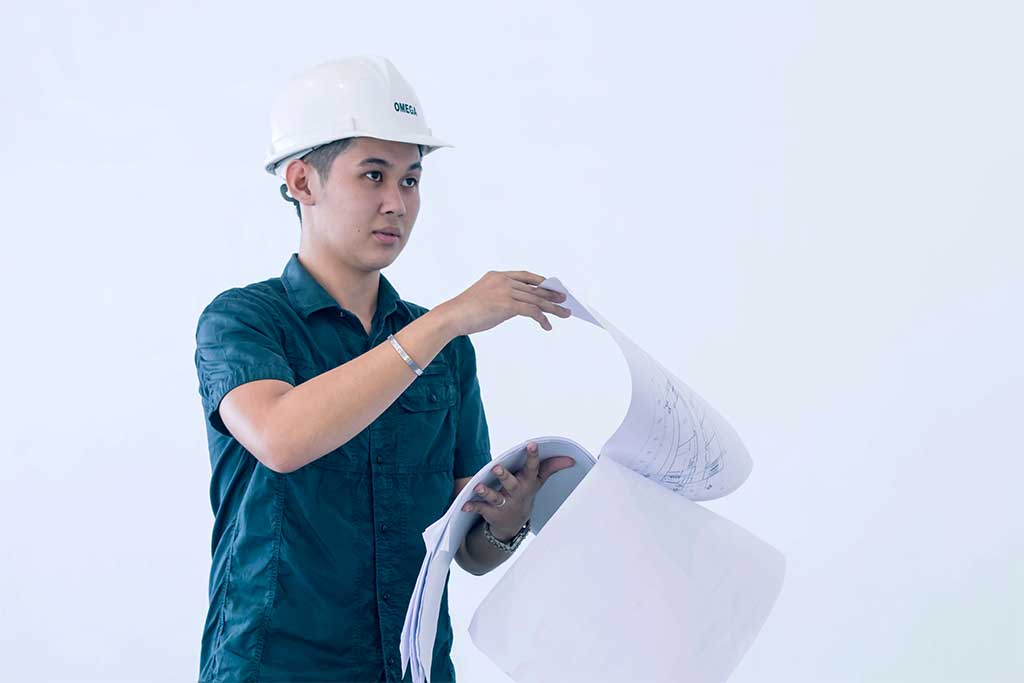
BS Civil Engineering Program Overview
The Bachelor of Science in Civil Engineering (BSCE) course targets establishing a strong underpinning of the principal concepts of science in league with mathematical and computational tools to alleviate challenging challenges through development and sustainability.
The BSCE program’s cornerstone is learner-centered, augmenting theoretical knowledge and skills in Mathematics, physical and natural sciences, engineering sciences, and all civil engineering activities. Most importantly, it aims to continuously deliver the highest quality, large-scale technical, scientific, and liberal education to capacitate learners to meet the local and global standards in the field of civil engineering. This is particularly emphasized in leading civil engineering schools across the Philippines’ civil engineering courses.
Program Educational Objectives
- Graduates of civil engineering program will have the technical skills and professional qualifications to become competent engineers who can support the industry, academe, or government.
- Graduates of civil engineering program will be collaborators and innovators in the field, leading or participating in efforts to address social, technical, ethical and business challenges.
- Graduates of civil engineering program will be engaged in life-long learning and professional development.
Student Outcomes
Graduates of the Bachelor of Science in Civil Engineering program are expected to demonstrate:
- Apply knowledge of mathematics, science, engineering fundamentals and engineering specialization to solve complex engineering problems;
- Conduct experiments of complex engineering problems, that include design of experiments, analysis and interpretation of data, and synthesis to provide conclusions;
- Design solutions for complex engineering problems and design systems, components, or processes to meet desired needs within realistic constraints such as economic, environmental, social, political, ethical, health and safety, manufacturability, and sustainability;
- Function effectively on multidisciplinary and diverse teams;
- Identify, formulate, synthesize research literature and analyze complex engineering problems;
- Apply principles of professional ethics and responsibilities;
- Communicate effectively complex engineering activities with the engineering community and with society at large;
- Evaluate the impact of complex engineering solutions in a global, economic, environmental, and societal context;
- Recognize the need for, and have the ability to engage in independent and life-long learning;
- Assess contemporary issues and consequent responsibilities relevant to professional engineering practice;
- Create and apply techniques, resources and modern engineering and IT tools necessary for engineering practice;
- Demonstrate knowledge and understanding of engineering and management principles as a member and leader in a team, to manage projects and in multidisciplinary environments; and
- Apply knowledge of civil engineering in at least one specialized field of civil engineering practice.
BS Civil EngineeringCareer Opportunities
Structural Engineer
Structural engineers design and analyze buildings, bridges, and other structures, ensuring stability and safety using skills gained from our civil engineering course in the Philippines.
Transportation Engineer
Transportation engineers develop and maintain efficient roadways, railways, and airports, addressing traffic flow and safety challenges with expertise from the BS Civil Engineering program.
Geotechnical Engineer
Geotechnical engineers assess soil and rock conditions to support construction projects, applying specialized knowledge gained from successfully completing the program.
Environmental Engineer
Environmental engineers create sustainable solutions for waste management and pollution control, leveraging specialized skills to reduce pollution in the Philippines.
Construction Manager
Construction managers oversee building projects, coordinating teams and resources to ensure timely completion, utilizing management techniques they’ve learned.
Construction Manager
Water resources engineers design systems for water supply, drainage, and flood control, applying advanced knowledge mastered through the program.