Learn the essential technical and soft skills needed for a career in multimedia arts.
Key Takeaways
- The multimedia arts industry is a growing pillar of the Philippine economy, offering diverse and rewarding career paths ranging from 3D animation to digital marketing.
- Professional success requires a mastery of creative skills, such as imagination and storytelling, alongside technical proficiency.
- Choosing a comprehensive, industry-aligned degree program equips you with the necessary tools, guidance, and portfolio to build a successful creative career.
Multimedia arts is one of the most dynamic creative industries today because technology constantly changes how people consume content. As digital spaces continue to grow, companies and organizations need creative professionals who can produce visuals and experiences that connect with audiences in meaningful ways.
From animated films and social media campaigns to video games and brand visuals, the creative work you see every day starts with people who combine creativity with technical expertise. If you are exploring multimedia arts career skills, it’s important to know that success in this field is not just about being artistic. It’s also about learning how to adapt, collaborate, solve problems, and communicate ideas effectively across different platforms.
What is a Multimedia Artist?
A multimedia artist is a visual storyteller who combines text, audio, images, animation, and video to create interactive content. To truly understand what multimedia art is, one must look at how these professionals blend artistry with technology to craft compelling content across various digital channels.
In this role, multimedia artists might find themselves designing user interfaces for an app one day and directing a promotional video campaign the next. Because their expertise spans multiple channels, they possess the flexibility to work in diverse environments.
In the Philippines, multimedia art is a booming industry. In fact, the creative economy in 2025 contributed 7.6% of the country’s GDP—a year-on-year growth of 6.9% from 2024. As businesses increasingly rely on digital content to stay competitive, you, as a multimedia artist, become the vital link between an idea and an audience. You have the power to influence perceptions and create emotional connections through the visuals you create.
Now that you understand the impact you can make in this industry, it is time to look at the specific tools and talents you will need to master to stand out.
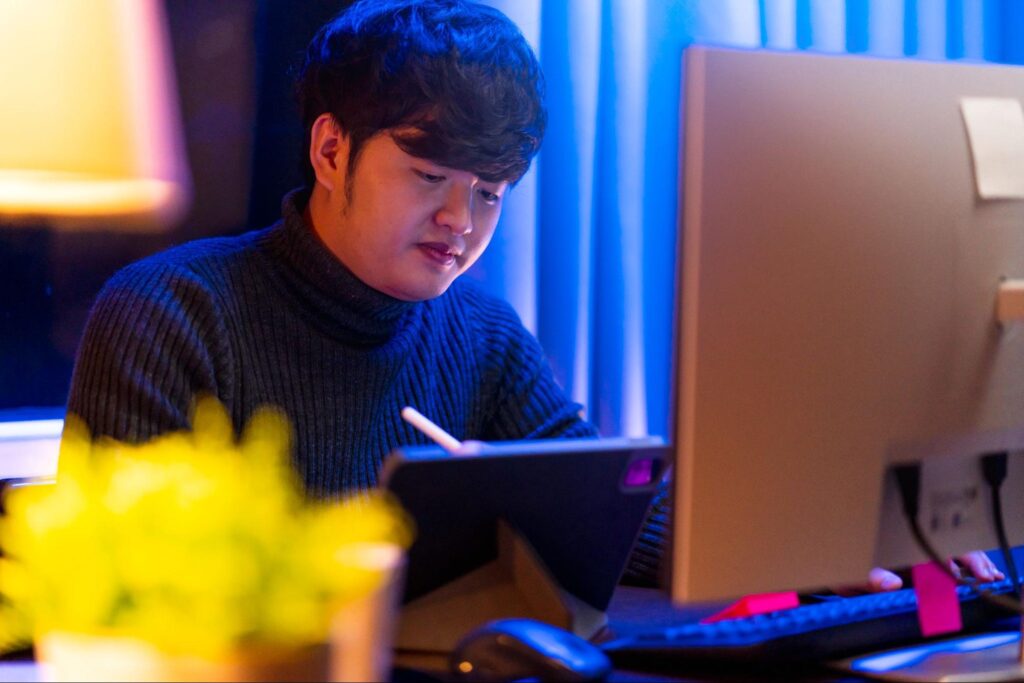
Freelance creative designer working using a tablet
Core Skills You Need for a Career in Multimedia Arts
Succeeding in this competitive field requires a balance of technical proficiency and creative adaptability. Here are some of the competencies you need to build:
- Proficiency in Digital Design Software: Mastery of industry-standard tools is non-negotiable. You need to become comfortable with industry-standard software for illustration, photo editing, and layout design.
- Video Editing and Motion Graphics: Developing the ability to cut footage, sync audio, color-correct clips, and integrate dynamic animations or visual effects allows you to create engaging video content for various platforms.
- Typography and Layout Design: Good design must be readable and structured. You must learn how to select and arrange visual elements effectively on a page or screen. This ensures that your audience can easily digest information.
- 3D Modeling and Animation: As industries push toward virtual environments and augmented reality, creating three-dimensional assets is a valuable skill. Learning to model objects, apply textures, and animate characters opens doors in gaming, film, and architectural visualization.
- Storyboarding and Narrative Development: Storyboarding involves sketching out sequences of panels to plan the flow of a video, animation, or interactive experience. This multimedia arts skill helps you organize ideas and communicate your vision to clients or team members clearly.
- Communication and Collaboration: Multimedia projects are rarely solo projects. You will often work alongside copywriters, developers, and project managers. Being able to explain your design choices clearly, accept constructive criticism, and collaborate with others ensures the success of a project.
Practical Ways to Improve Your Multimedia Art Skills
Growth in the creative field is a continuous process that extends beyond the classroom. To sharpen your skills for a multimedia arts career and remain competitive, consider adopting these habits:
- Commit to Daily Practice and Personal Projects: Consistency builds competence. Dedicate time each day to creating something new, even if it is just a short animation test or a quick graphic layout. Personal projects allow you to experiment without the pressure of a formal grade or client deadline.
- Deconstruct Professional Work: When you watch a movie or visit a well-designed website, analyze how it was made. Look at the framing of shots, the timing of animations, or the color palettes used. Reversing the design process helps you understand the techniques behind successful media.
- Seek and Apply Constructive Feedback: Don’t be afraid of criticism. Ask other artists or even friends for their perspectives; they might notice something important that you overlooked. Constructive criticism helps you identify areas of weakness that you might have missed, allowing you to refine your execution.
- Follow Online Tutorials and Workshops: The internet is a goldmine of free tutorials, art blogs, and YouTube videos where you can see artists in action and learn new software tricks. Use online resources to learn new skills needed for multimedia arts, master hidden software features, or discover alternative workflows that speed up your production process.
- Build a Diverse Portfolio: If you are just starting out, try everything—sketching, digital painting, or even charcoal. Once you find what resonates with you, specialize in it to master that specific technique.
Then, assemble your best pieces into an organized online showcase. Ensure your portfolio displays a variety of work—ranging from graphic design to video editing—to demonstrate your versatility to potential clients or universities.
Taking charge of your growth ensures you stay ahead of industry trends. What’s more, choosing the right educational environment can amplify your efforts and give you an advantage.
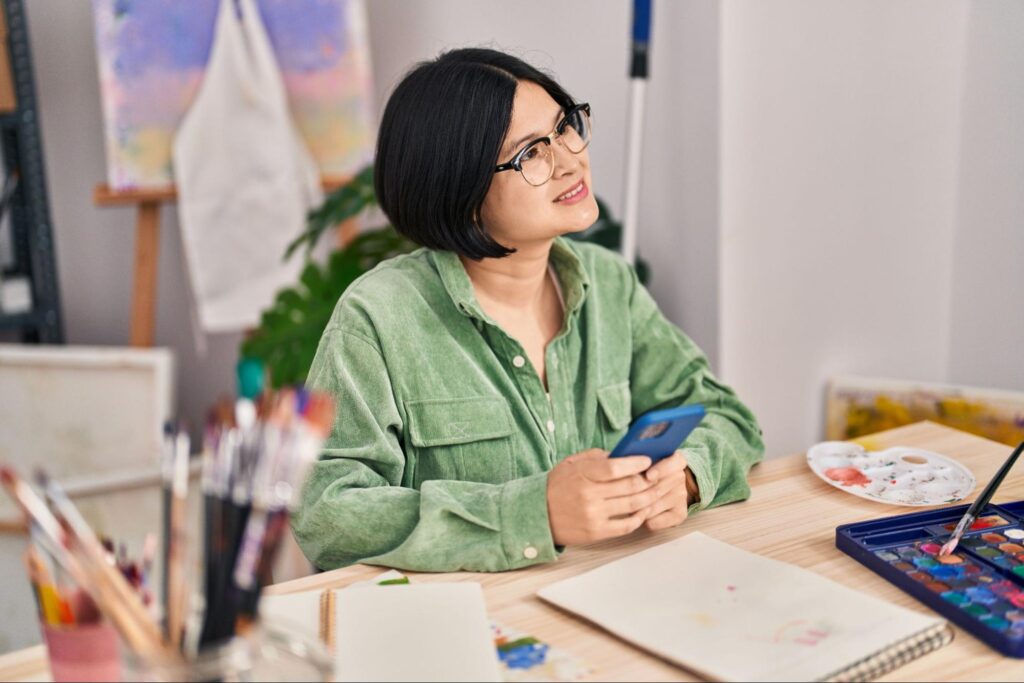
Freelance creative designer working using a tablet
Designing Your Future with Mapúa MCM
Developing into a versatile multimedia artist involves dedication, a strong command of modern technology, and a solid understanding of visual narrative. Refining these multimedia arts skills through continuous practice and real-world application transforms your passion into a professional asset.
At Mapúa Malayan Colleges Mindanao (Mapúa MCM), we offer a Bachelor in Multimedia Arts program that is designed for a world-class career. Because we collaborate with Arizona State University®—a top-ranking, innovative university in the U.S.—we give you a significant global advantage through international curricula and signature courses. Our program is also co-designed with industry partners to ensure you gain real-world experience while mastering animation, photography, graphic design, and more.
Ready to shape the future of visual media? Apply now at Mapúa Malayan Colleges Mindanao and build the creative career you want today!
Frequently Asked Questions
What skills are needed for a multimedia arts career?
A successful career requires a blend of technical and creative abilities. You need proficiency in digital design software, video editing, motion graphics, typography, layout design, 3D modeling, animation, and storytelling, alongside strong communication and collaboration skills.
What career paths can I pursue with a multimedia arts degree?
Graduates can pursue diverse roles across multiple industries. Examples include graphic designer, animator, video editor, UI/UX designer, visual effects artist, and creative director in advertising, entertainment, or corporate sectors.
How can I start improving my multimedia arts skills?
Consistency is key. Choose a medium that resonates with you and commit to daily practice to build your muscle memory. You can also use free online tutorials and welcome constructive feedback from others to gain fresh perspectives on your work.