

Two students studying with a laptop and some art materials
Understand what multimedia art is, the creative paths it can lead to, and how Mapúa Malayan Colleges Mindanao prepares future multimedia professionals for the digital world.
Key Takeaways
- Multimedia art combines creativity and technology through animation, design, video, storytelling, and interactive digital experiences.
- Multimedia artists can pursue diverse careers in industries like gaming, advertising, media, branding, web design, and content creation.
- Mapúa Malayan Colleges Mindanao helps students become professional creatives through hands-on learning, industry-relevant subjects, and portfolio-building experiences.
You probably interact with multimedia art every single day without even realizing it. The videos you binge-watch, the mobile apps you scroll through, the graphics behind your favorite game, and even the animations in social media posts all come from creative minds trained in multimedia. Once you understand the definition of multimedia art, you start to see how deeply it shapes the way people communicate, tell stories, and experience the digital world.
Businesses, brands, media companies, and tech industries rely heavily on creative professionals who can combine art, storytelling, and technology into meaningful experiences. That is why multimedia arts has become one of the most exciting degree options for students who want to turn imagination into impact.
What is Multimedia Art?
Multimedia art blends traditional artistic practices with modern technology to create a cohesive experience for the viewer. While traditional art often relies on a single medium—like oil on canvas—multimedia pulls from a much broader toolkit. It incorporates sensory and digital elements such as sound, light, motion, and interactivity to draw you into a world rather than simply showing you one.
Think of a music video, a mobile game, or an interactive website. These projects are not created through one skill alone. They involve visual design, storytelling, sound, movement, and technology working together to deliver an experience.
What truly defines a piece as multimedia is the integration of these different media types into a unified project. Key characteristics include interactivity, where you can influence the artwork through your actions, and a dynamic nature, meaning the work can change over time or respond to its environment. It’s a field where the rules are constantly being rewritten by the latest tech, reflecting the ever-evolving relationship between human creativity and digital tools.
More importantly, multimedia art is not only about aesthetics. It is also about solving problems creatively. Designers and artists think about how people interact with content, how visuals influence emotions, and how digital experiences can become more engaging and memorable.

Artist woman edits digital photos on her computer in a creative office
What is a Multimedia Artist?
Given the definition of multimedia art above, a multimedia artist is someone who creates digital content using a mix of creative and technical skills. Depending on the industry, they may work on animations, advertisements, films, websites, games, social media campaigns, or interactive experiences.
Some multimedia artists focus on visual storytelling through motion graphics and animation. Others specialize in graphic design, user interface design, photography, or video production. The role is highly versatile because multimedia artists are needed in different industries such as entertainment, advertising, education, journalism, gaming, marketing, and even healthcare.
Being a multimedia artist also means being a problem-solver who can collaborate in multidisciplinary and multicultural teams. Whether you are designing a user-friendly website or directing a visual effects-heavy film, your role is to bridge the gap between human experience and technological possibility.
Types and Examples of Multimedia Art
Multimedia art comes in many forms, which is one reason why the field attracts students with different interests and creative strengths.
- Animation: Animation involves creating movement from illustrations, 2D graphics, or 3D models. You see this in animated films, advertisements, explainer videos, and game cinematics.
- Interactive Installations: These are artworks that respond to your movement or touch. An example is TeamLab’s Borderless, where the environment shifts based on how the audience moves through the space.
- Digital Cinematography and Film: This area combines cinematography, editing, sound, and visual effects to tell a story.
- Branding and Communication Design: This field uses multimedia techniques to craft compelling messages for brands.
- Graphic Design: Graphic design is a type of multimedia art that focuses on creating visual communication materials that deliver messages clearly and creatively.
- Web and User Interface Design: Web and UI designers create visually appealing and user-friendly digital experiences.
- Game Design: Game design also combines storytelling, animation, programming, and interactive experiences.
- Photography and Digital Imaging: This field uses photography and editing tools to create compelling visuals for media and advertising.
Because multimedia arts cover so many disciplines, students often discover talents they never realized they had. Some may enter college interested in video editing, then eventually develop skills in animation or branding. Others may discover a passion for interactive design or storytelling through digital media.
This variety of multimedia art types is also reflected in how multimedia arts programs are structured in college.
Global Standards and Local Impact: The Focus of the Mapúa MCM Program
At Mapúa Malayan Colleges Mindanao (MCM), the Bachelor of Multimedia Arts program prepares students for the realities of the modern creative industry. The program goes beyond artistic expression by combining creativity with technology, collaboration, and industry-based learning.
We focus on a learner-centered, outcomes-based education that ensures you gain the competencies required for the modern workforce. One of our biggest strengths is our collaboration with Arizona State University®, which gives you access to world-class content, global signature courses, and a significant international advantage.
Students are trained to think strategically, communicate effectively, and produce work that meets professional standards. The learning experience also emphasizes real-world applications that go beyond simply defining multimedia art, helping students understand how creative work functions in industries like advertising, entertainment, and digital marketing.
To build that foundation, you’ll dive into a curriculum that covers everything from the technical to the theoretical.
Multimedia Arts Subjects at Mapúa MCM
The multimedia arts curriculum at Mapúa MCM introduces students to a wide range of creative and technical subjects that reflect current industry demands.
Some of the multimedia arts courses you will explore include:
- Digital Photography: Mastering the art of capturing and editing high-quality digital images
- 3D Animation: Learning industry-standard tools to bring your characters to life
- Cinematography and Videography: Learning the technical and creative sides of filmmaking, from camera work to post-production
- Illustration and Cartooning: Developing your unique artistic voice through digital drawing and storytelling
- Media Production and Research: Understanding how to lead a project from the initial concept to the final production
More importantly, the curriculum helps students become adaptable creators. As technology evolves, multimedia professionals are expected to learn new platforms, tools, and types of multimedia art quickly. Through continuous project-based learning, students develop the confidence to stay competitive in the industry.
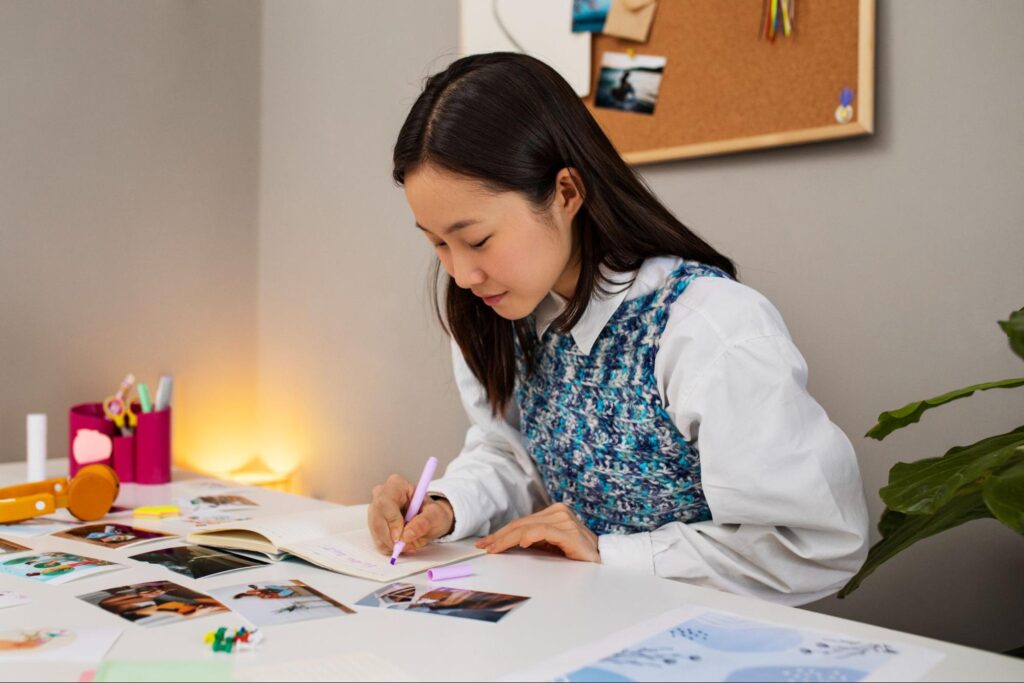
Woman creating their own vision board
Your Gateway to a Creative Future
Multimedia art is no longer limited to entertainment or design studios. Today, it plays a major role in business, technology, communication, education, and digital culture. From animation and branding to interactive experiences and content creation, multimedia professionals help shape how people connect with the world around them.
Choosing multimedia arts means choosing a career path that values creativity, adaptability, and innovation. It allows you to combine artistic passion with real-world opportunities in industries that continue to grow in the digital age.
At Mapúa MCM, we provide a world-class foundation co-designed with Arizona State University® to ensure you are future-ready and globally competitive. Through hands-on learning, collaborative experiences, and industry-relevant training, Mapúa MCM helps students prepare for careers that are both meaningful and successful.
Ready to turn your creativity into something bigger? Check out the student enrollment requirements of Mapúa Malayan Colleges Mindanao today and start building your future in multimedia arts.
Frequently Asked Questions
What is multimedia art?
Multimedia art is a fusion of traditional artistic practices and modern technology. It integrates various media—such as video, sound, text, and graphics—to create cohesive multisensory experiences. Unlike traditional art, it is often dynamic and interactive.
What are the different types of multimedia art?
The field is diverse and includes forms like 3D animation, interactive installations that use motion sensors, and digital cinematography. Modern techniques can also include augmented reality (AR) and virtual reality (VR).
How much is the tuition for the multimedia arts program at Mapúa MCM?
More information on Mapúa Malayan Colleges Mindanao tuition fees can be found on our website.